The Ultimate Guide to Running in Washington, D.C.
From sunrise shakeouts to iconic race days, here's how to experience the nation's capital on the run.
Step onto the Mall at sunrise, and you'll get it immediately. Runners are already circling the monuments, headlamps cutting through the pre-dawn darkness. By 7:00 AM, the trails are buzzing. And by evening? The paths are still packed with people chasing miles between their day jobs and whatever comes next.
Washington, D.C. is one of the country's most dynamic running communities, a place where competitive athletes train alongside weekend warriors, where world-class races draw international fields, and where you can log a tempo run past the Lincoln Memorial or disappear into 1,700 acres of forest without leaving city limits.
We talked to local elites and club leaders to map out everything you need to know about running in D.C. this year, from joining your first group run to tackling the Marine Corps Marathon.
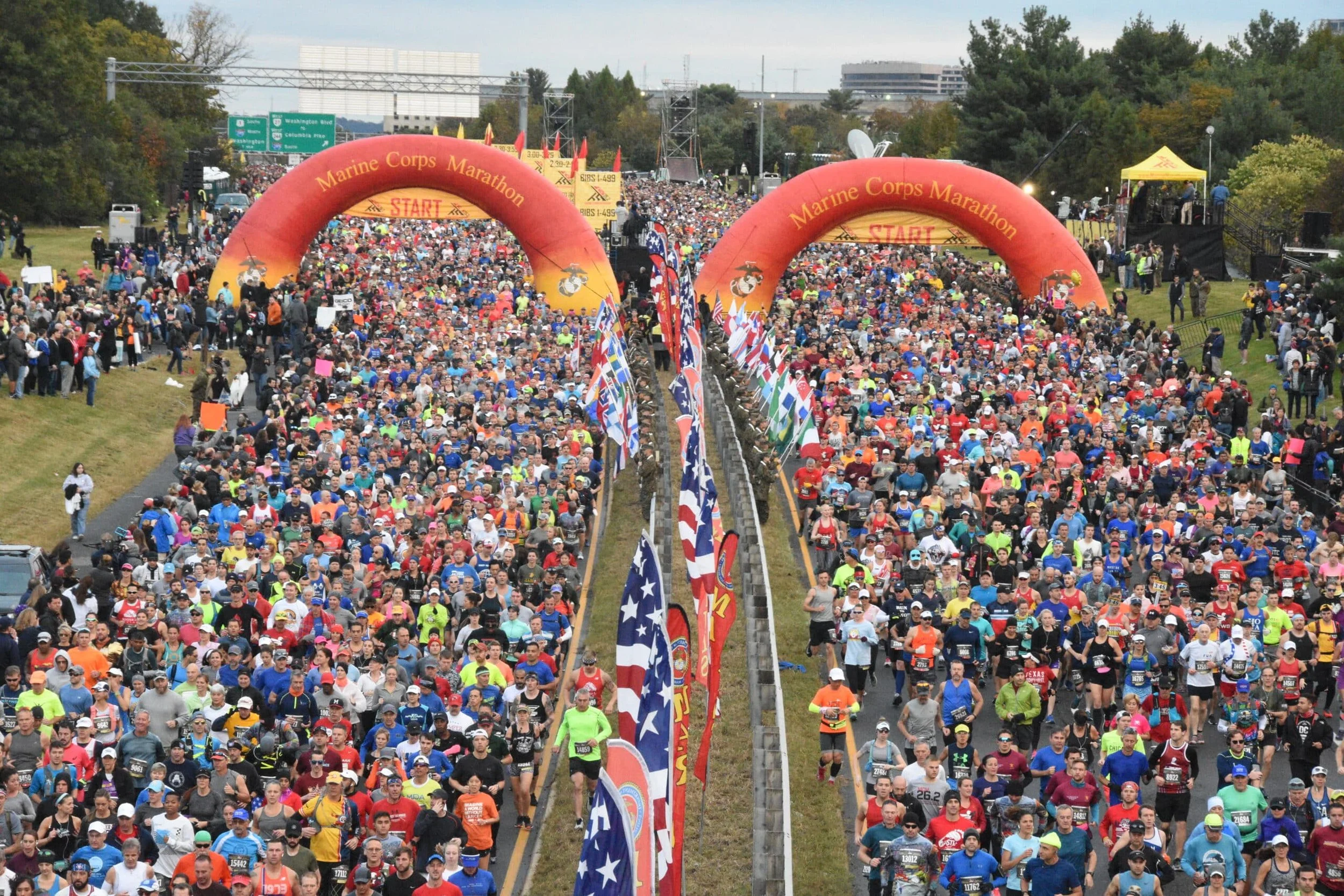
© Marine Corps Marathon
Running With Company
Here's the thing about D.C. runners: they're everywhere, all the time. You'll find people logging miles at 5:00 AM and still going strong after sunset. The energy never stops.
Where to plug in:
If you're new to the scene, start at Pacers Running. With several shops around the city, they host three social runs a week on Monday, Tuesday, and Thursday in D.C.
D.C. Capital Striders takes the community vibe even further. They meet at spots across D.C., Maryland and Virginia, they've grown from three people on the National Mall in 2006 to nine weekly group runs reaching hundreds of runners. Founder Rick Amernick told us, 'We started with 3 people on the National Mall in April 2006. 20 years later we have 9 group runs, we reach hundreds of runners directly weekly and we reach thousands annually on social media.'
Want something more structured? Northeast Track Club and Capital Area Runners bring together highly motivated and competitive athletes.
With so many run clubs throughout the region, we have put together a run club directory that can be found here. There is a group out there for everyone.

DC Capital Striders
When to Visit (And How to Get Around)
Summer in Washington is no joke for runners. July and August bring average highs near 90 degrees with humidity that makes every run feel twice as hard. Your easy pace becomes a slog, your heart rate climbs into zones that don't match your effort, and you're soaked through before you hit the first mile. Local runners train through it because they have to, but if you're planning a trip to D.C., there are better months to choose.
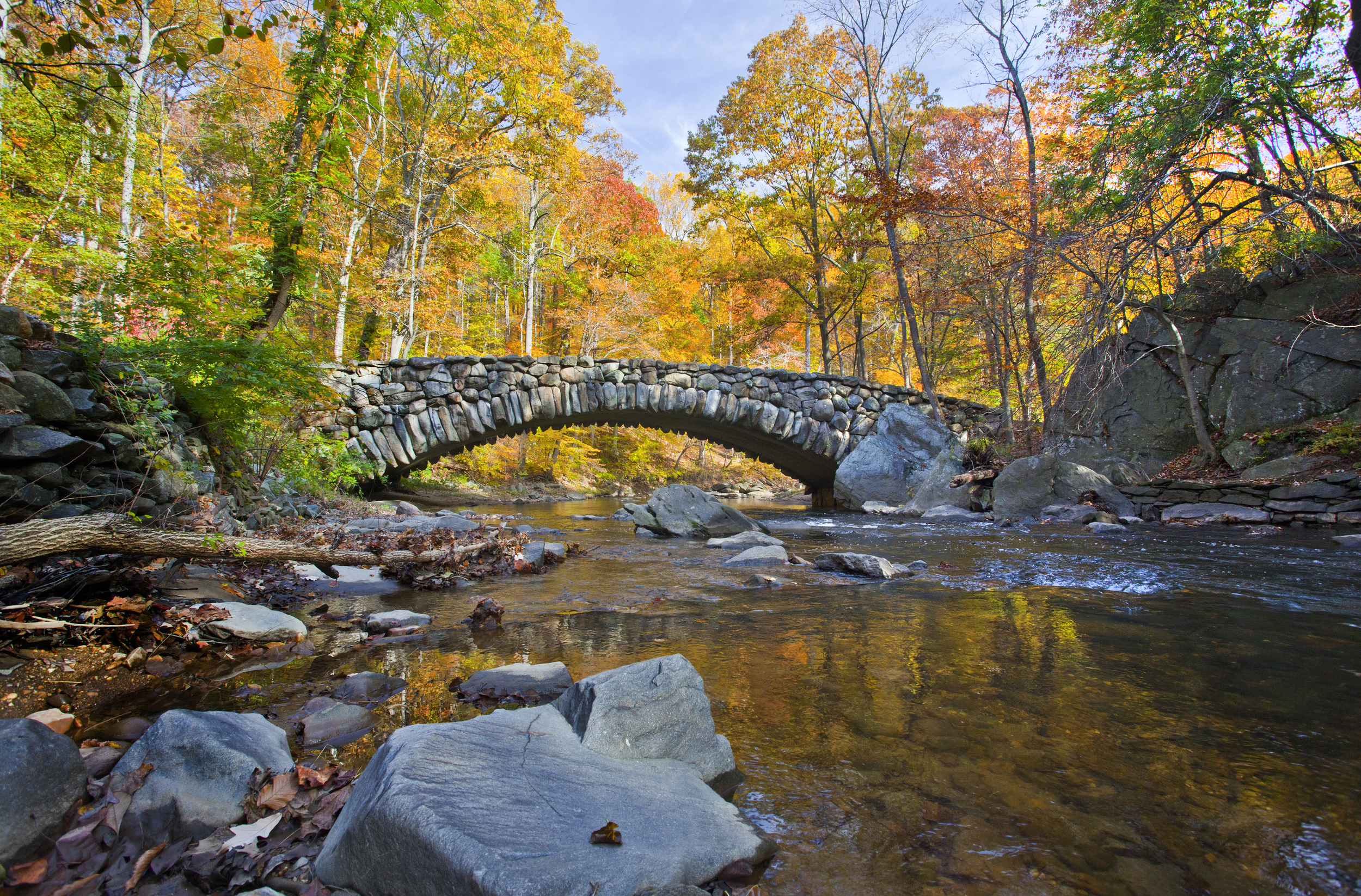
Early spring and fall are when the city's running scene truly shines. March through May delivers temperatures in the 50s and 60s—ideal for everything from recovery jogs to race-pace work—and coincides with the cherry blossom bloom that makes the Tidal Basin route unforgettable. September through November brings crisp mornings, fall colors in Rock Creek Park, and conditions that actually let you chase down a personal best. These windows also align with the city's biggest races, from the Cherry Blossom Ten Mile in April to the Marine Corps Marathon in late October.
As for getting around: don't drive unless you absolutely have to. D.C. traffic ranks among the worst in the country, with congestion stretching from early morning through evening and parking that's either impossible to find or prohibitively expensive. The Metro system is your best option. Stations provide direct access to most major running routes like the National Mall, Rock Creek Park, the Anacostia Riverwalk, and you'll save yourself the frustration of navigating traffic circles and one-way streets that seem designed to confuse.
The Routes That Define D.C. Running
Washington's geography is a runner's dream by design. Pierre L'Enfant's 18th-century street plan created wide boulevards and green spaces that modern runners have turned into an interconnected network of routes. You can loop the monuments at dawn, disappear into wooded trails by midday, and finish with a waterfront tempo run by evening, all without leaving city limits. The variety here isn't just about distance or terrain; it's about running through layers of American history, past iconic landmarks, and along rivers that have shaped the capital since its founding. Here are the routes that locals return to again and again.
The National Mall and Tidal Basin
This is the run everyone pictures when they think of D.C. A full loop around the monuments clocks in just under five miles. Extend it down to the Tidal Basin, past Jefferson and MLK Jr. Memorials, then add the 4.4-mile Hains Point loop for flat, waterfront perfection. Pro tip: go early to beat the tourist crowds.
Rock Creek Park
Need to forget you're in a city? This 1,700-acre park delivers. Choose between paved paths or soft-surface trails through shaded woods. It's technical if you want it to be, peaceful regardless.
C&O Canal Trail
When you need distance and solitude, the C&O is waiting. This flat, gravel towpath runs 184.5 miles starting in Georgetown. Perfect for long runs where you can truly zone out.
Anacostia Riverwalk Trail
Twenty miles of paved, flat running along the Anacostia River. Locals love it for tempo workouts and speed sessions, plus it connects straight into Navy Yard.
Metropolitan Branch Trail
The MBT is DC's urban connector trail, and it keeps getting better. Running from Union Station up to Silver Spring, this paved trail cuts through neighborhoods you might not otherwise explore: NoMa, Brookland, Edgewood, Takoma.
Read: Five Routes Every DC Runner Should Know
Want a running route tailored to your workout? Check out The Capital Runner DMV Running Route Finder.
The Races You Can't Miss
D.C.'s race calendar brings international fields and local legends together all year long.
D.C. Half Marathon (September 20, 2026) – Organized by Pacers Running, this destination race offers both a half and a relay option.
Army Ten-Miler (October 11, 2026) – The second-largest ten-miler in the country, hosted by the U.S. Army Military District of Washington.
Marine Corps Marathon (October 25, 2026) – Known as "The People's Marathon," MCM is the fourth-largest marathon in the U.S. and the biggest in the world with no prize money. Translation: it's about the experience, not the payday.
Where to Fuel Up
D.C.'s dining scene understands what runners need, whether it's a pre-race carb load or a post-long-run brunch. The city's diverse food culture means you're never far from quality fuel, and the neighborhoods near major running routes have become unofficial recovery zones where you'll spot runners still in their kits comparing splits over coffee.
Bagels and breakfast: Start your day at Bullfrog Bagels or Call Your Mother, both local favorites that draw lines on weekend mornings at their multiple locations throughout the city. The bagels are worth the wait: hand-rolled, kettle-boiled, and substantial enough to refuel after a hard effort. Call Your Mother's sandwiches have achieved cult status among the running community, particularly the "Chutzpah" with its everything bagel and schmear. Both spots have multiple locations across the city, so you're likely near one after your morning run.
Brunch done right: After a Saturday long run, Busboys and Poets offers locations throughout the city with extensive menus that accommodate every dietary preference. The portions are generous, the vibe is relaxed, and you won't feel out of place still wearing your running gear. For something more upscale, The Coupe in Columbia Heights serves elevated brunch classics with a full bar, because sometimes a post-run mimosa is part of the recovery plan.
Coffee culture: D.C. takes its coffee seriously, and the local roaster scene has exploded in recent years. Lost Sock Roasters in Takoma and NoMa offers classic cafe fare, and incredible coffee and signature drinks. Peregrine Espresso in Eastern Market is a post-Capitol Hill run favorite, and on the weekends you can stroll the farmer’s market along 7th Street. Filter Coffeehouse in Foggy Bottom offers quality pour-overs and a quieter atmosphere for recovery. Most local coffee shops open early enough to catch pre-dawn runners and stay open late for the evening crowd.
Global cuisine: D.C. has earned its reputation as a foodie city, with some of the best international cuisine you will ever have. If you want Ethiopian, Dukem and Ethiopic are top spots. Kevin Tien’s Moon Rabbit offers award-winning Vietnamese, and choosing any one of José Andrés’s restaurants will not disappoint. Finally, if you’re in town for a big race, consider carb-loading at Carmine’s or grabbing a slice at Andy’s Pizza.
Where to Wind Down
After putting in the miles, D.C.'s brewery scene and cocktail bars offer plenty of options for recovery.
Local breweries: The Navy Yard neighborhood has become a hub for runners and beer lovers alike. Bluejacket and Atlas Brew Works are both within easy reach of the Anacostia Riverwalk Trail, making them natural post-run stops, and their proximity to Pacers Navy Yard means you will likely find fellow runners.
Views with your drinks: If you want something more elevated, Vue at Hotel Washington offers rooftop views overlooking the White House. It's the kind of spot where you can toast a successful training week while watching the sun set over the monuments