Trail Running in Rock Creek Park: A Guide to DC's Best Dirt Trails
Washington, DC is home to countless running routes, around the National Mall, up the Capital Crescent Trail, or winding your way through Rock Creek Park on Beach Drive. But when you think about the headline paths, you don't generally think about bona fide trail running.
A few years ago, I was preparing for a run on Sligo Creek Trail, a paved 10 mile trail that ran right past my house. I stared at my shoes and felt an overwhelming sense of "blah". I was months into marathon training in the dead of summer, and I was just bored and tired of it.
At the suggestion of my running coach, I bought a pair of trail running shoes and looked up the best options near me. How I had missed Rock Creek Park's hiking trails is beyond me, but hindsight is 20/20. I went out for my first trail run, and I never looked back.
Rock Creek Park is the oldest federally managed urban park in the country, administered by the National Park Service, running from just north of the National Zoo to the Maryland border. Most DC runners know only a fraction of it. The trail network inside that corridor is dense, occasionally disorienting, and completely worth figuring out. Once you know the two main trails, the park opens up.
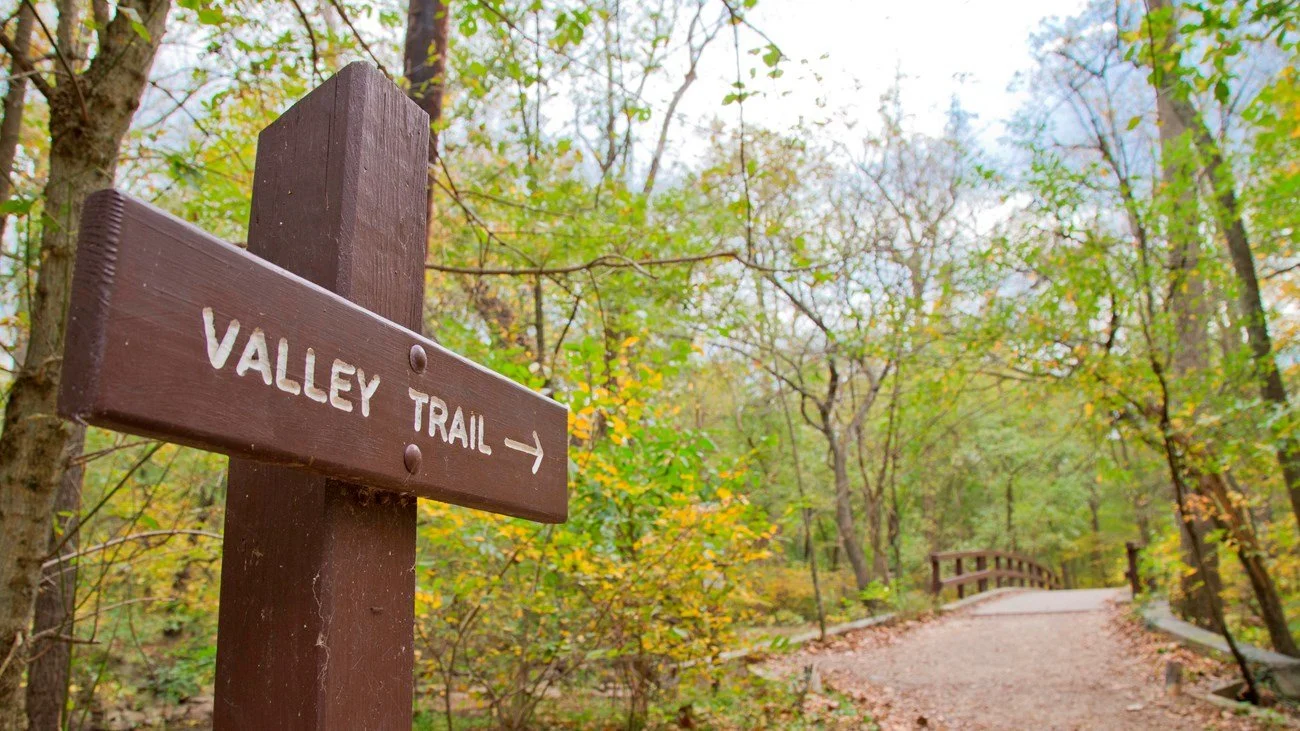
The Valley Trail
NPS Photo/ K. Cain
The Valley Trail runs about 5.3 miles along the east side of the creek, roughly parallel to Beach Drive, from the southern trailhead near Peirce Mill north to Boundary Bridge at the DC-Maryland border. It gains around 520 feet along the way, which surprises runners who assume "valley" means flat. It doesn't. The southern section is the most technical, with rocks, roots, and a few narrow passages that demand your full attention. The northern leg, above Military Road, settles down a bit. Blue blazes mark the route, though downloading a map before your first visit is worth the thirty seconds it takes.
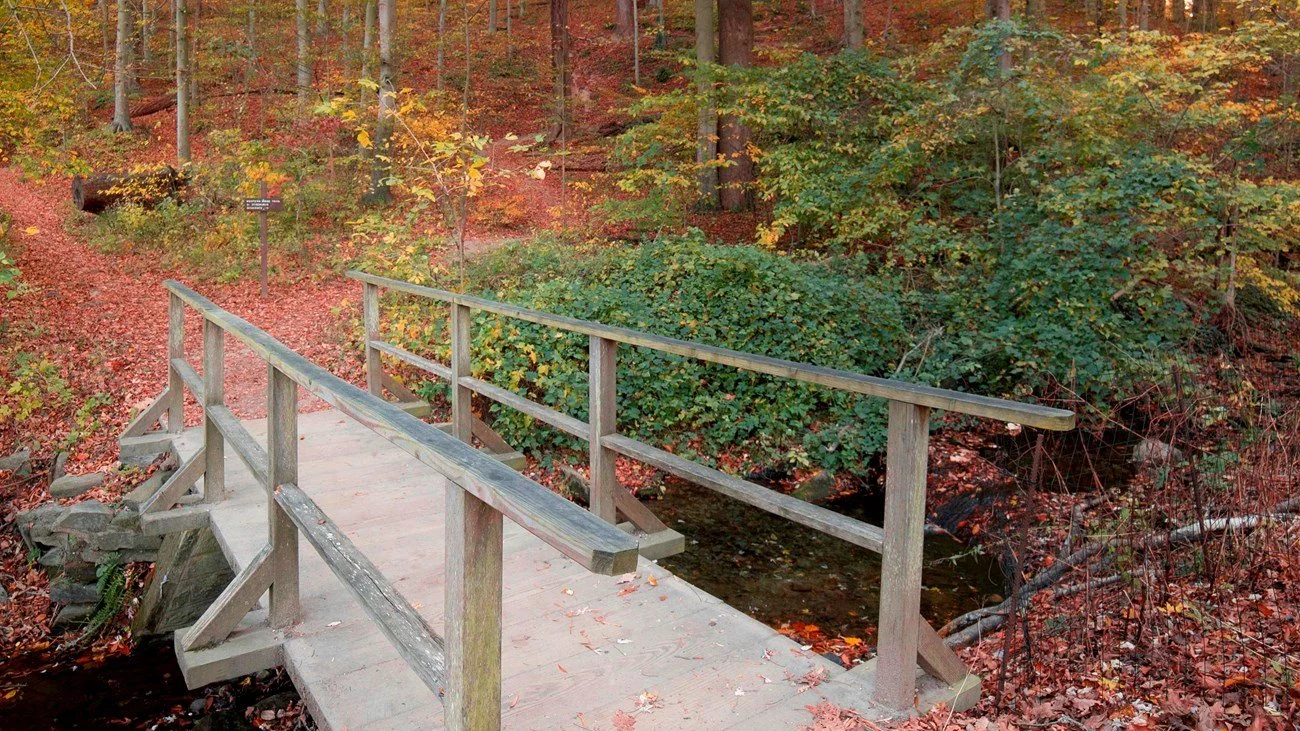
The Western Ridge Trail
NPS Photo/ K. Cain
The Western Ridge Trail covers similar ground from south to north, but on the opposite side of the park. It's about 4.6 miles with 450 feet of gain and runs a smoother, wider path through stands of beech and tulip poplar. You'll pass the Nature Center just south of Military Road, where restrooms are available and horses occasionally share the trail. Green blazes mark this one. Where the Valley Trail rewards technical runners willing to watch their footing, the Western Ridge is a steadier effort, better for pushing pace on rolling terrain.
Putting Together a Loop
The real appeal of Rock Creek is the loop potential. Combine the two trails and you have a classic 8 to 9 mile run with close to 700 feet of elevation gain. Start at Peirce Mill, head north on the Western Ridge, cross over at Boundary Bridge, and return south on the Valley Trail. Or shorten it. A smaller loop, which climbs to the Nature Center via the Western Ridge and drops back down along the creek, covers about 3.3 miles with 300 feet of gain and is a good introduction if you're new to the park.
One note on navigation: Rock Creek has more unmarked intersections than it should. Trails branch off without warning, and it's easy to drift into a neighborhood without realizing it. Follow the blazes and bring a downloaded map. The park rewards runners who pay attention.
Getting There
The most popular access point is Peirce Mill, at the intersection of Tilden Street NW and Beach Drive. Parking is available across the street and restrooms are nearby. If you're coming from Cleveland Park, the Reservation 630 trail connects Connecticut Avenue to Peirce Mill and adds a mile or so of singletrack to your warm-up. From Van Ness, the Soapstone Trail drops down from Connecticut Avenue and enters the main park at Broad Branch Road, though expect wet feet after any meaningful rain. If you're starting from the north end, there's a small parking lot on Beach Drive near Boundary Bridge, right at the DC-Maryland border, that puts you at the top of both trails.
What to Know Before You Go
Rock Creek trails get muddy. A wet week turns some sections into a slog, and the Valley Trail's rocky stretches become genuinely slippery. Trail shoes aren't strictly required, but they make a real difference. Spring is probably the best season to be out here, the creek running high, the canopy filling back in, wildflowers along the Valley Trail. Fall is a close second. Summer is manageable precisely because the tree cover is so dense, and that shade is reason enough to make the drive when the humidity is brutal everywhere else in the city. Winter is fine on dry days, but ice on the rocks and roots demands extra caution.
For road runners who've never ventured off the pavement, it's hard to overstate how different this feels from a Beach Drive tempo or a loop around the Mall. Two minutes off the road and the city disappears. You're watching your footing, reading the trail, negotiating rocks and roots instead of traffic lights. Deer on the Valley Trail at 6am are not unusual. It's the closest thing DC has to a genuine wilderness run, and it's been here the whole time.