Marathon Around the Washington Monument Honors Brother Lost to Suicide
Max Davis put out a call on social media.
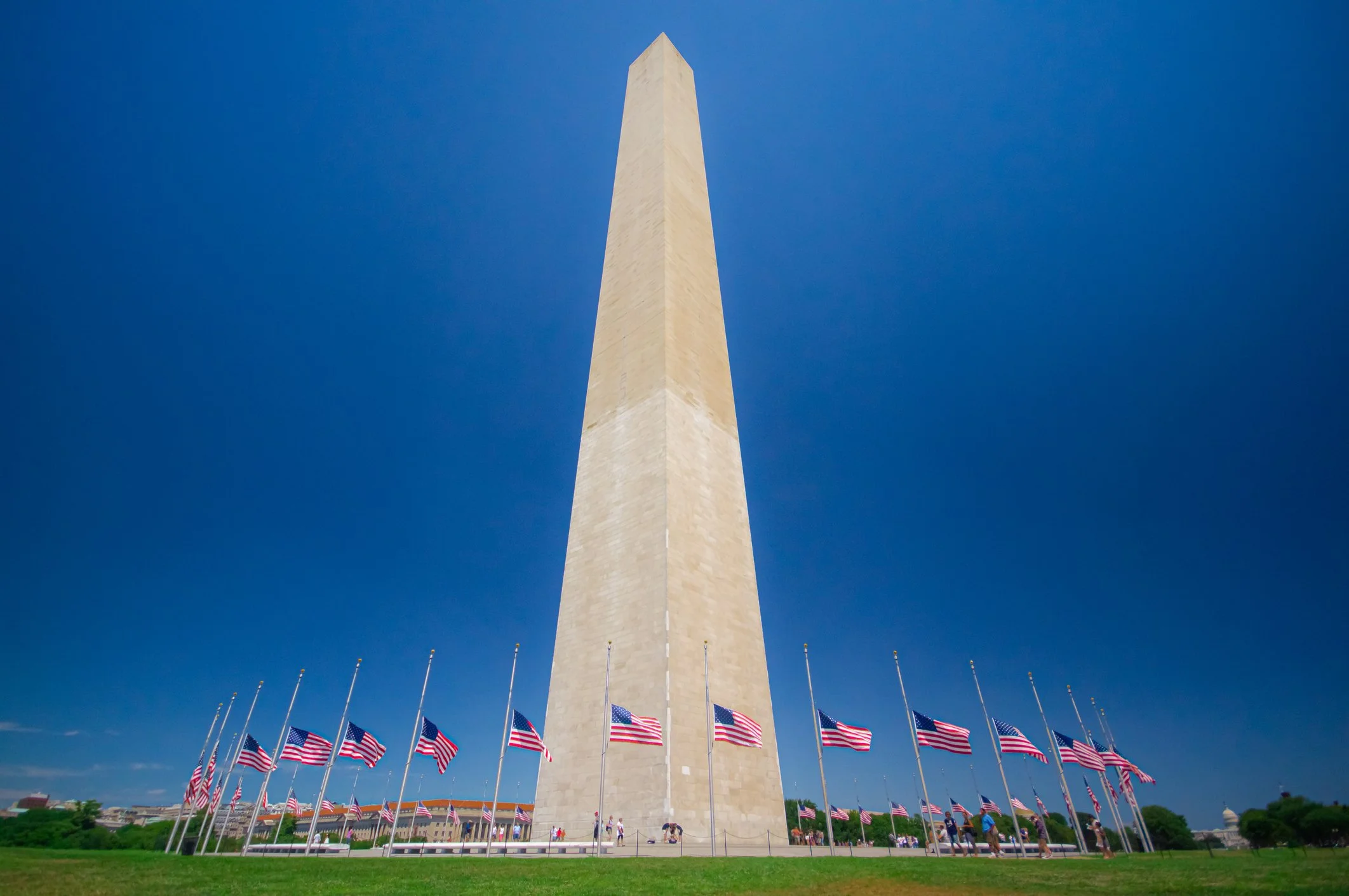
Any runner who wanted to join him on May 10 at the Washington Monument could run hundreds of loops around the monument until they hit 26.2 miles. He dubbed it the “Monumentathon”, and it was in honor of his brother, Beck, who died by suicide three years ago.
Dozens of capital runners showed up that morning, joining the run at various points.
“Over the course of the day, there were around 50 runners, and we had about 10 marathon finishers,” Max told us. “My mom flew in from Utah. I had friends take the 2:00 a.m. bus from New York, and people I had never met before drove an hour and a half to be there.”
As he was choosing the location for the run, he quickly landed on the Washington Monument. “I just moved to DC and wanted a spot that everyone knew. The Washington Monument is my favorite monument around the city. I always see it from different parts of the city, and now when I look at it, it reminds me of my brother.”
To get to 26.2 miles, Max and his coterie of runners would have to circle the monument in .08-mile laps more than 300 times. Going into the run, Max anticipated how difficult it would be. Running a marathon distance on a whim is a monumental task for anyone, if you will excuse the pun. At mile 24, the exhaustion had fully set in.
“I was talking to people while running the whole time, and it started getting really hot. But everyone who came out and had finished their run before me ended up staying and running my last lap with me. It was just so cool to see how much people cared. Most were strangers that became friends that day.”
Pushing the body to its limits often has a profound impact on runners. You see it in the tearfully proud faces of runners crossing the finish line of any race. Max was no different, and running the Monumentathon helped him feel connected to his brother.
“I normally really struggle with talking about losing him, but hearing other people’s stories while being distracted really helped me. I know in some form or way he was there, probably running farther than me. Talking about him and sharing stories about him really connected me with how amazing he was.”
The run raised awareness for the Beck Davis Foundation, which Max started to support families who have lost someone to suicide.
“The first few months [after Beck’s death], and even the first year or two, were really hard on my family, and there were certain resources that helped our family through the grief we were dealing with. I am now at a point where I want to do what I can to help those in the same situation,” Max said.
“I plan to use the money raised to help provide a space for family members who have lost someone to connect with each other and process grief. Down the line, we also plan to support funding for therapy, grief retreats, funeral expenses, and other things to reduce the burden of losing someone.”
When it comes to helping people understand the grief from suicide loss, Max said one of the most impactful ways to support people is to show up. “Reaching out means so much. I’ve had people I don’t even know, or teachers from the past, simply acknowledge the situation and let me know they were thinking about me, and that goes a long way. I also wish people understood that it isn’t the fault of the person who lost their life to suicide. There are so many factors with mental illness and really difficult struggles that can push people to that point.”
If you or someone you know is struggling, you are not alone. The 988 Suicide and Crisis Lifeline is available by call or text at 988.