
Running Past 40 in the DMV
The 2025 New York City Marathon drew 59,226 finishers, the largest field the race has ever had. Writing at Sportico, Lev Akabas found that two groups drove the record, and one of them was runners over 60.
According to Akabas:
88 percent more runners aged 60 and up finished the 2025 race than did in 2015.
159 percent more women in their 60s and 250 percent more women in their 70s finished than a decade earlier.
Chicago and Boston have each seen jumps of more than 50 percent in over-60 participation over the same period.
Runners in that age group made up 3.6 percent of all New York Road Runners events in 2015. In 2025 they made up 6.1 percent.
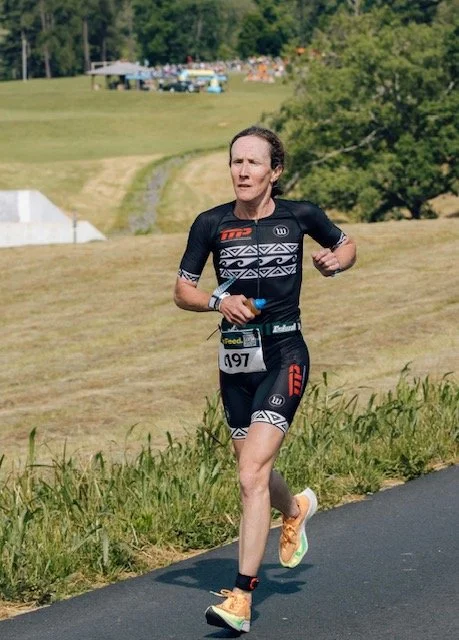
Hilary Cairns
Akabas offers an explanation. The first American running boom hit in the 1970s and early 1980s, which means the people turning 60 right now are the first group to reach that age having lived their entire adult lives after running became a normal thing for regular people to do. Improvements in medical care, recovery practice and shoe technology helped, he writes, but none of it arrived as a single spike.
RunRepeat's State of US Marathons 2025 found that the proportion of marathon runners older than 45 has grown while the 35 to 44 group has shrunk, and that average finish times improved across every age bracket between 2019 and 2024, including 4:42 to 4:38 for runners 45 to 54 and 5:39 to 5:35 for runners 65 and older.
This region is a good place to be part of that. RunRepeat's 2023 analysis found that Washington, D.C. has the highest share of its population finishing marathons of anywhere in the country.
Hilary Cairns has been running races in D.C. for more than 30 years, founded the TrackPack run club 21 years ago, and competes as a runner, triathlete and Hyrox athlete. She coaches, and she hosts a podcast called Aging Athletically, where she explores athletic performance as we age. She still runs a track workout, a tempo run and a long run every week, the same schedule she ran in her twenties.
"There are so many amazing run groups and races in the DMV," Cairns said about the benefits of aging in a place like Washington, DC, Virginia, and Maryland. "I've been racing in DC for 33 years and the number of groups has increased dramatically. You may need to shop around to find the group that feels best for you, but it's out there. For aging runners, the area is blessed with a range of running surfaces along with so many great gyms for the ever-important cross-training opportunities."
As Cairns points out, the region is home to countless routes and running surfaces. Rock Creek Park offers both paved and dirt trails, the crushed gravel of the National Mall is easy on the joints, and the paved trails connecting the District to Virginia and Maryland offer long miles to get your body ready for a race.
Adina Crawford, a certified yoga instructor in the DMV and board member for the Black Girls Run Foundation, told us something similar. “There is an incredible sense of community in the DMV whether someone is training for their first 5k, running their 10th marathon or just looking to move more. One thing about DMV athletes is that they don't stop evolving; they continue to learn, strengthen their skills or find joy in one of the groups. Whether cycling, running, yoga, fencing, swimming or strength training, wellness is not about age but about staying connected, curious and moving with intention and purpose.”
Recovery is Training
The first thing that changes is that rest stops being what you do when you are not training and becomes part of the training itself.
"A lot of us see rest as doing nothing or, worse, as falling behind. We feel we have to be doing something," said Crawford. "I've learned that recovery is part of training. It isn't separate from it. A rest day can include a myriad of beneficial activities like gentle yoga, stretching, a walk, foam rolling, quality sleep, good nutrition, and hydration. Recovery is where your body adapts, gets stronger, and prepares you for what's next. I've learned that honoring recovery allows me to keep showing up for the fitness activities I love to do."
Cairns puts the same idea in injury terms. Among the things she says the runners still going strong in their sixties and seventies have in common is "attention to aches and pains before they become actual injuries."
Strength work isn’t optional
Harvard Health puts age-related muscle loss at as much as 3 to 5 percent per decade beginning after age 30, with most men losing roughly 30 percent of their muscle mass over a lifetime.
In a 2012 review in Frontiers in Physiology, W. Kyle Mitchell and colleagues at the University of Nottingham pulled together five decades of studies and found that when researchers measure mass and strength in the same people, strength is lost two to five times faster than mass. Loss of strength, they concluded, is a more consistent predictor of disability and death than loss of muscle mass.
The same review points to something that should hearten anyone reading this. Citing work by Power and colleagues, Mitchell's team notes that master runners were found to have roughly as many motor units in the tibialis anterior, the muscle along the front of the shin, as young runners, and significantly more than inactive people of the same age. The protective effect showed up in the legs and not in the arms, which is to say it came from the running.
Cairns lists strength training among the common threads in runners who last, alongside "consistent training" and that attention to small pains. Crawford puts strength and mobility at the top of her list too.
Common strength training exercises for runners includes core workouts like planks and glute bridges, leg workouts like squats and lunges, and cross-training like yoga and high intensity interval training (HIIT).
Adjust your paces, not your effort
Max heart rate drifts down with age, which means the zone chart you set up in 2012 describes a person who no longer exists. Letting go of a pace you used to hold is an identity problem, and the runners who solve it seem to do it by changing what they look at.
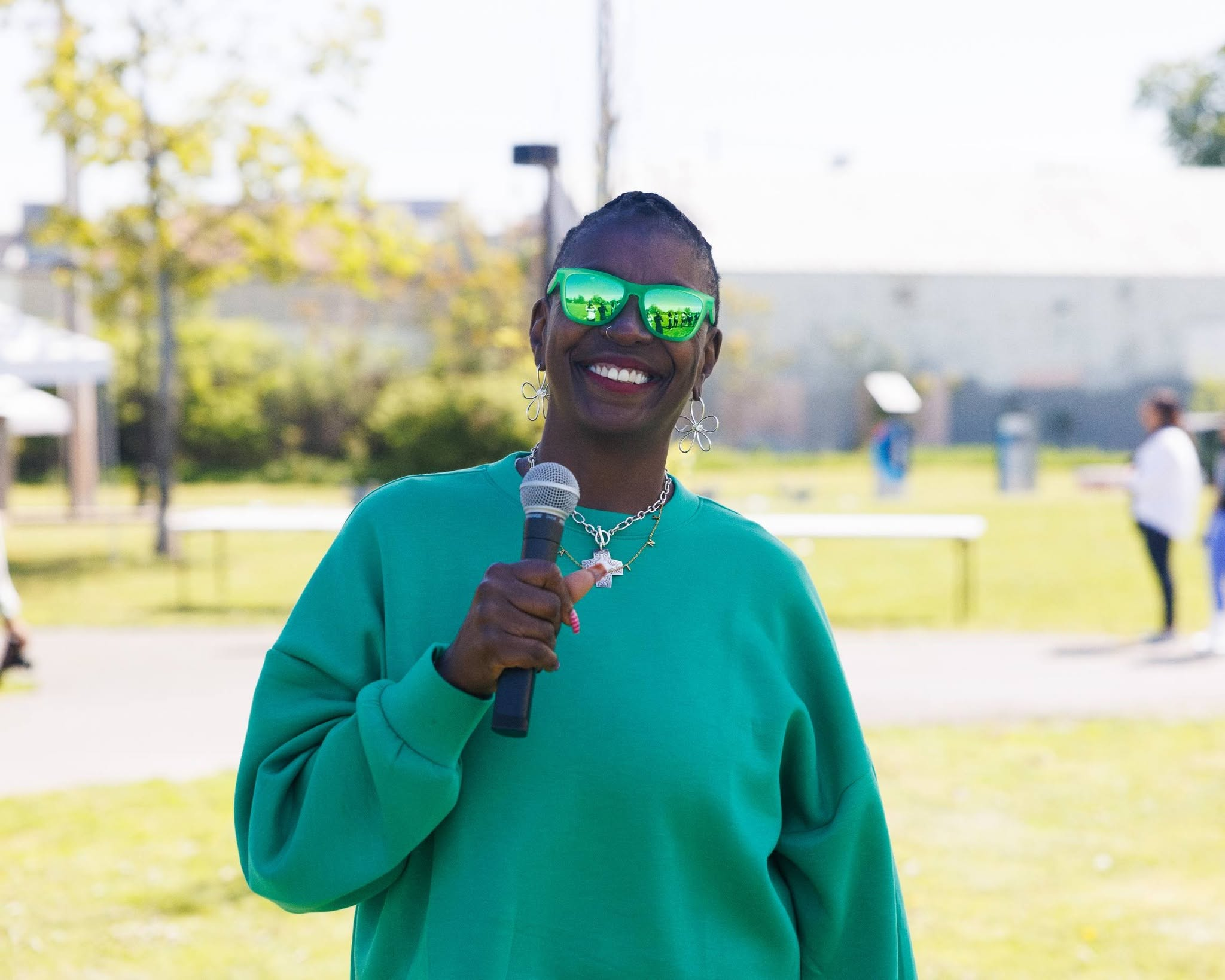
Adina Crawford
"I think the athletes with the most longevity and continued love for the sport focus much more on what they can do than on what they can't do," Cairns said. "And some things actually improve with age if you work at it: attitude, strength, appreciation for relationships developed through sport, and even effort."
Crawford described the same shift in her own training. "There was a time when I measured success by how hard or how fast I could go," she said. "Now, I measure it by how well I recover, how I move with intention, and whether I honor what my body needs that day. Some days that's a long run, and other days it's yoga, mobility work, breathwork, cycling, swimming or simply taking a walk. My body has carried me through so much, and it deserves my gratitude, not my internal beatdown of criticism."
When asked what the runners still going strong at 70 are doing, the answer was not a workout.
"They know when to push and when to pull back," Crawford said. "They stay curious, keep learning, and surround themselves with community. Most importantly, they still find joy in movement. They're not running to prove something. They're running because it enriches their lives."
Cairns' list ends in the same place, with "an appreciation for what our bodies can do" and "a focus on effort and goals, not so much times." Her advice to a 45 year old who wants to still be running at 70 starts with consistency and finding a group to run with. "To be in the same sport for decades, you've got to find ways to stay motivated," she said, "whether that be trying new distances, new races, finding places to travel to compete or just integrating different training modalities like strength work."
Crawford has watched what happens when someone finds this later than most. "I've seen people discover confidence they never knew they had. It's incredibly inspiring to watch someone in their 50s, 60s, or beyond realize they're capable of more than they ever imagined. The comparison stops for some and they start celebrating their own journey, wins and movements. That shift, from self-doubt to self-belief, is powerful. It's a reminder that it's never too late to begin, and it's never too late to grow."
You can follow Aging Athletically on Instagram and listen wherever you get your podcasts. Follow Adina Crawford on Instagram.
Still running at 45, 55, 65, 75? Tell us how you got there and tag The Capital Runner. We want to run the stories.